
If you want people to find your website easily, Search Engine Optimization (SEO) is the key to landing on Google’s first page. With so many sites competing for attention, it takes the right strategy, effort, and consistency to stand out. But don’t worry—it’s absolutely doable! Let’s dive into how you can boost your site’s visibility and attract more visitors.
Start with Smart Keyword Research
Think of keywords as the bridge between what people are searching for and what you offer. You need to understand what your audience is looking for and align your content accordingly. Tools like Google Keyword Planner, Ahrefs, SEMrush, and Ubersuggest can help you find the best keywords to target. Aim for a balanced mix of high-volume, competitive keywords and more specific long-tail keywords that are easier to rank for. If you have a local business, including location-based keywords will also give you an edge.

Optimize Your On-Page SEO
Once you have your keywords, it’s time to put them to work! On-page SEO ensures that Google understands what your content is about. Here are some key areas to focus on:
- Title Tags & Meta Descriptions: Keep them concise, engaging, and keyword-rich. A well-crafted title and meta description can significantly improve click-through rates.
- Header Tags (H1, H2, H3): Break up content with clear, structured headings to make it easier for both users and search engines to navigate.
- URL Structure: Keep URLs clean and descriptive. Short, keyword-friendly URLs improve both user experience and search rankings.
- Images & Alt Text: Optimize images by compressing them for faster loading and adding descriptive alt text to boost accessibility and SEO.
- Internal Linking: Guide users (and search engines) through your site by linking to relevant pages within your content.
Improve Technical SEO
Technical SEO might sound intimidating, but it’s all about ensuring your website runs smoothly and loads quickly.
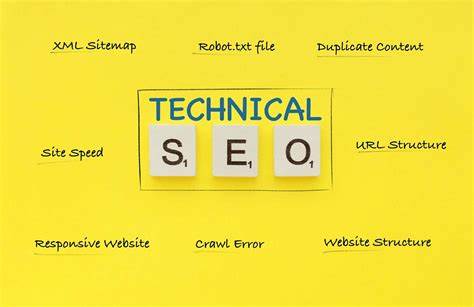
Here’s what to focus on:
- Mobile-Friendliness: With more searches happening on mobile devices, having a responsive website is non-negotiable.
- Page Speed: A slow website frustrates users and hurts rankings. Use tools like Google PageSpeed Insights to optimize loading times.
- Security (HTTPS): An SSL certificate keeps your site secure and gives visitors confidence in your brand.
- XML Sitemap: This helps search engines index your pages efficiently. Submitting your sitemap to Google Search Console is a smart move.
- Fix Broken Links: Regularly check for and repair broken links to ensure a seamless user experience.
Create Content That Stands Out
Content is the heart of SEO. Google loves fresh, engaging, and valuable content that answers users’ questions. To rank higher, create well-researched and original content tailored to your audience’s needs. Blog posts, guides, case studies, and videos are all great ways to provide value. Don’t forget to include visuals like images, infographics, and videos to make your content more engaging.
Build High-Quality Backlinks
Backlinks—links from other reputable websites to yours—are a powerful ranking factor. The more high-quality links you have, the more Google sees your site as authoritative. Here’s how to get them:
- Write guest posts for industry blogs.
- Reach out for partnerships and mentions.
- Get listed in relevant directories.
- Create shareable content that naturally attracts links.
Leverage Local SEO (If Applicable)
If you run a local business, optimizing for local search is a game-changer. Here’s how to make sure potential customers in your area find you:
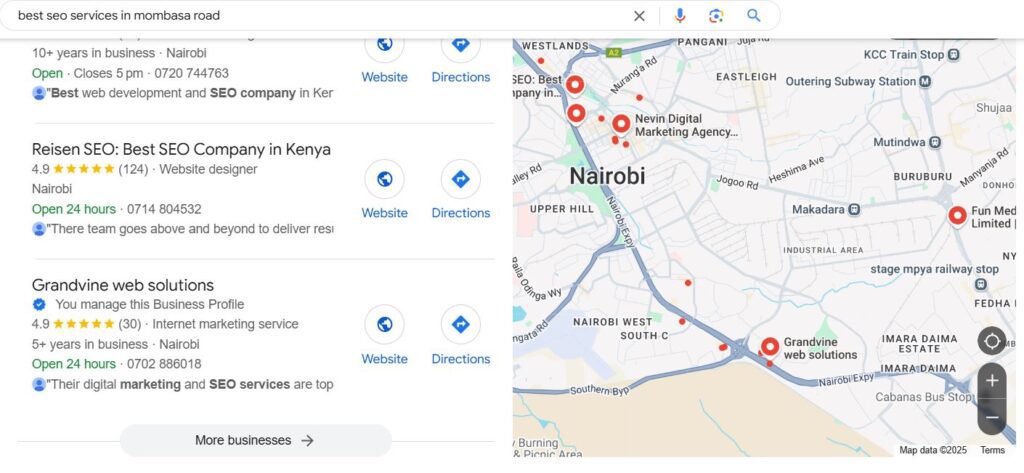
- Google Business Profile: Claim and optimize your listing with accurate details, images, and updates.
- Customer Reviews: Encourage satisfied customers to leave positive reviews.
- Local Directories: Get listed in directories like Yelp and industry-specific platforms.
- Local Keywords: Incorporate location-specific keywords in your content and metadata.
Monitor, Analyze, and Adjust
SEO isn’t a one-and-done task—it requires ongoing effort. Regularly track your website’s performance using tools like Google Search Console, Google Analytics, and Ahrefs or SEMrush. These insights help you understand what’s working and where you need to improve. Adjust your strategy based on data to maintain or improve your rankings over time.
Final Thoughts
Ranking on Google’s first page doesn’t happen overnight, but with the right strategies—keyword research, on-page optimization, technical improvements, quality content, and backlinks—you can get there. Stay consistent, keep refining your approach, and you’ll see results over time. The effort is worth it when you start seeing more organic traffic, leads, and business growth.